

Police And Lawyers Are Using Emoji As Grounds To Arrest People, Ruining Fun Things For Everyone
:O

It’s drilled into everyone that the words we use have a lot of power, but would you believe that an emoji or emoticon holds just as much, if not more, meaning? Social media is becoming so embedded in our lives that what we’re posting online is beginning to be used against us by police, lawyers and the legal system.
As the name suggests, the main function of emoji is to express our deeper feelings in text-based chats. As Wired put it, “we send emoji to improve upon, even expand, our words and bring emotion—affection, frustration, love, anger—to the conversation.” Emoji convey tone, which is something that everyone on the internet struggles with. Tone is impossible to be shown purely through text, which is why we have such fondness for those little pictures that we incessantly tack on the end of our texts.
Or, if you’re Julie Bishop, they’re pretty much all you converse with – yesterday she did an interview with Buzzfeed where she answered questions entirely in emoji. The implied tone that emoji carry means that yes, that winky face you sent the other night at 3am means exactly what everyone thinks it does.
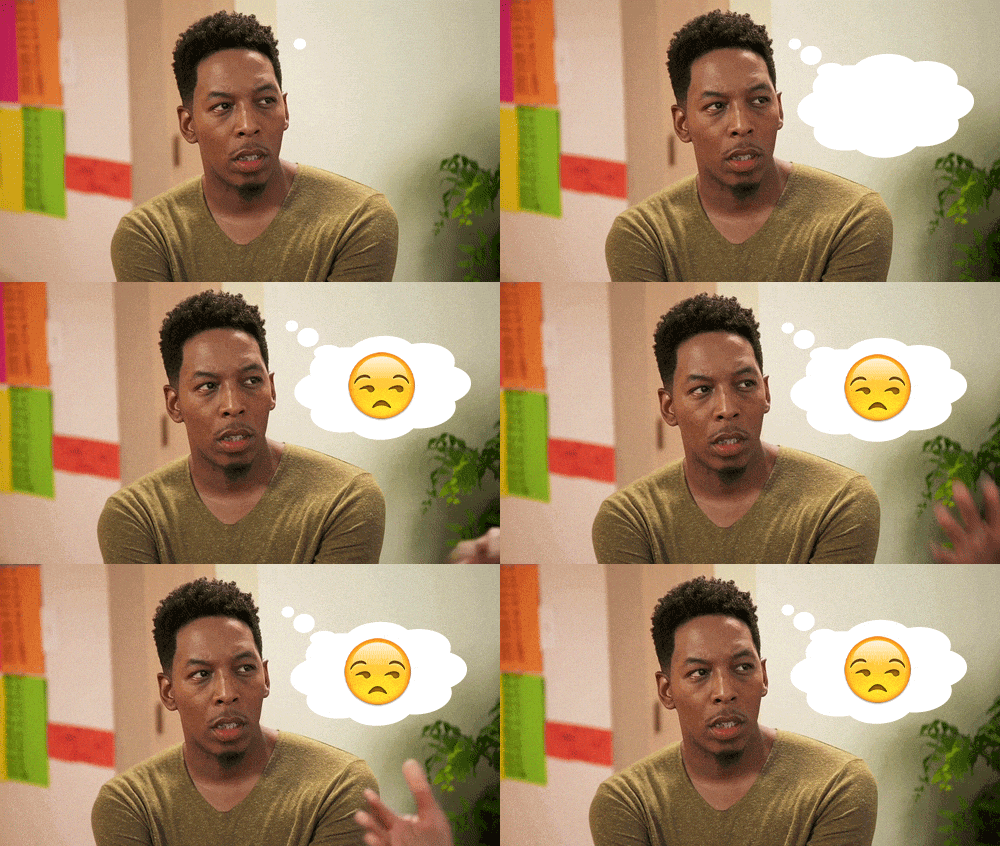
Tone is the reason why emoticons and emoji are popping up more in the legal system. Police are using them as grounds for arrest – Orisis Aristy was arrested for allegedly making a terrorist threat, and possession of drugs and a weapon in January after posting emoji of a police officer and three guns on his Facebook; a post which apparently made New York City police feel threatened. Lawyers are using the “meanings” in emoji as parts of their arguments in court, and convicted people are using their implied tone to plead their innocence. The trial surrounding Ross Ulbricht and Silk Road saw the prosecutors reading out conversations, and Ulbricht’s lawyer argued that the emoticons used needed to be included, as they were part of the evidence.
As popular as they are in texting, people don’t seem particularly enthused by the idea of emoji gaining any kind of real-world currency. Last year, Melbourne-based digital media company Big Datr was publicly shamed on social media for advertising 6-12 month internships with no pay, instead offering their interns a ‘free brekky’ and emoji. So emoji are apparently currency and a reward, too. How many little prawns is a small coffee?
A teeny little picture says a thousand words, apparently. Soon we won’t just be communicating with emoji and emoticons, they’ll be running our lives. They’ll be the reason we get out of bed in the morning and the reason why we go to sleep at night with little emoji smiles on our faces. We won’t ever speak directly to each other with our mouths; we’ll be using emoji. Kids won’t pass notes in class, they’ll pass emoji. We’ll eat emoji for breakfast and drink emoji beer. All public holidays will be to celebrate emoji and their brilliant existence.


I, for one, welcome our little poop, peach and dancing-girl overlords.